Hakubaku Organic Soba – 3-Minute Noodles for Busy Professional Weeknight Dinners
Hakubaku Organic Soba – 3-Minute Noodles for Busy Professional Weeknight Dinners
Couldn't load pickup availability
Why you'll love it
- Cooks in just 3-5 minutes for fast weeknight dinners
- USDA organic certification means no synthetic pesticides in the wheat and buckwheat
- Kosher certification expands household and guest compatibility
- Authentic Japanese product delivers restaurant-style soba at home
- Minimal three-ingredient list (organic wheat flour, organic buckwheat flour, water) signals clean eating
- Versatile format works equally well in hot broths or chilled summer salads
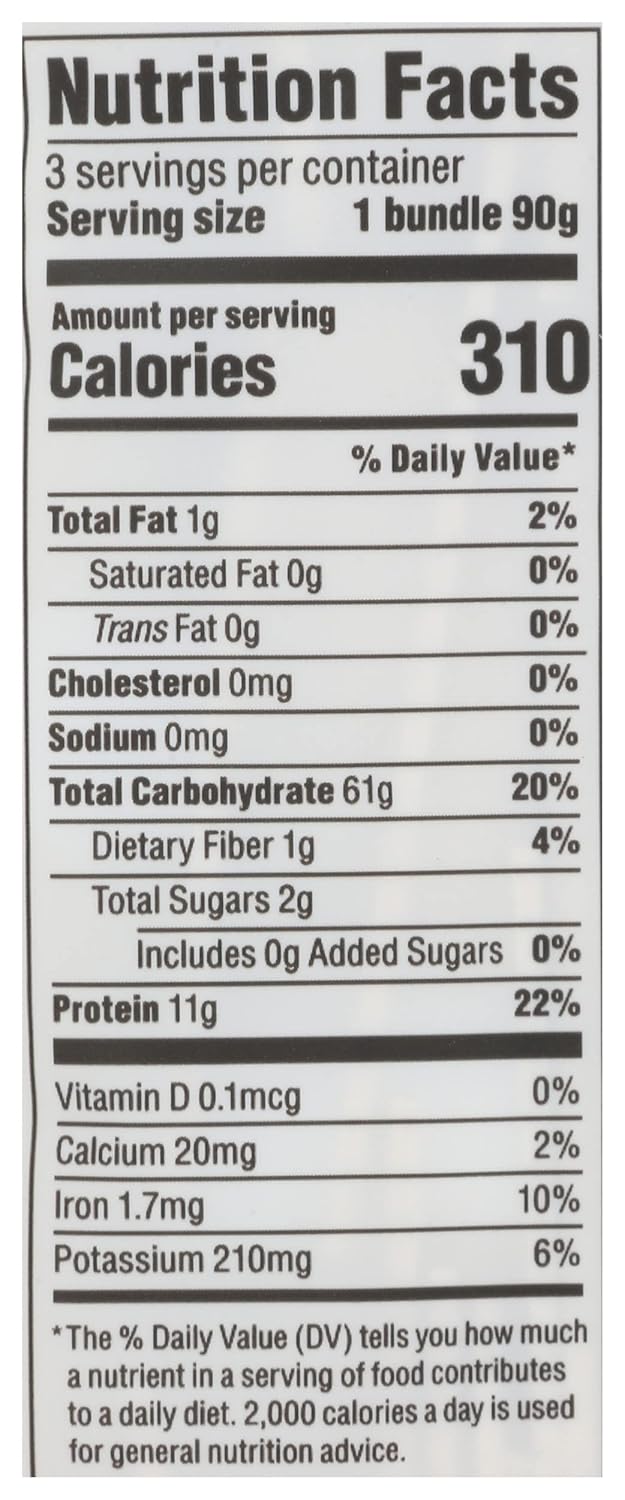
- no added salt / very low sodium content
- mild buckwheat flavor without bitterness
- holds texture well without getting mushy
- separated into three bundles for easy portioning
- rinses cleanly and isn't too slippery
- cooks quickly (3-4 minutes)
- works well in stir-fries where noodles grab sauce from the pan
- authentic taste reminiscent of soba eaten in Japan (Nagano)
- great value compared to grocery store prices
- fast and well-packaged shipping
- good for people with diabetes
- aesthetic/attractive packaging and shelf presence
Perfect for
- Quick 3-5 minute weeknight dinner base for stir-fry or hot broth
- Cold zaru soba salad with dipping sauce for warm-weather meals
- Meal-prepped lunch bowls for the office
- Authentic Japanese hot pot or tsukimi-style dinner
- Gluten-tolerant alternative noodle swap for pasta dishes
- thai peanut sauce stir-fry with chicken (specific family recipe)
- yakisoba
- cold Asian noodle dishes
- dipping sauce (tsuyu) with extra sides
- Asian-inspired soups
- dashi soup base with miso, tofu, and vegetables
- end-of-meal noodle water (soupyu)

About Us
Hakubaku, since its foundation in Japan, has been working on delicious tasting grains We keep striving to explore new possibilities of grains every day.
What does Hakubaku mean? “Hakubaku” means “White Barley” in Japanese. It describes Hakubaku’s desire that our customers will enjoy nutrient-rich “Barley” in the same way as white rice, which is primary food in Japan. Since the foundation, we have been deeply involved with 5 Grains; Barley, Rice, Millet, Wheat and Soba(Buckwheat). Our corporate logo expresses that 5 Grains will spread worldwide thereafter. “Kokumotsu” means “Grain” in Japanese. In view of our corporate history and our determination to keep providing the ideal diet, we define ourselves as “The Kokumotsu Company”. We continue to deepen our knowledge on grains and realize “The Kokumotsu Company” through providing new innovations in grain products and processing technology.
Product Information
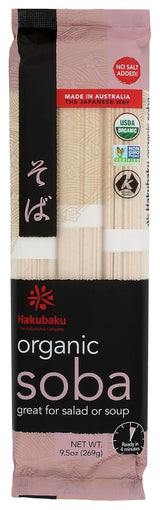
Authentic Japanese buckwheat noodles USDA certified organic Kosher certified
Product Dimensions : 8.9 x 2.4 x 0.9 inches; 9.6 ounces Item model number : 0837328001026 UPC : 837328001026 Manufacturer : Hakubaku Units : 9.5 Ounce Best Sellers Rank: #11,105 in Grocery & Gourmet Food Authentic Japanese buckwheat noodles USDA certified organic Kosher certified Ingredients: Organic Wheat Flour, Organic Buckwheat Flour, Water Directions: Boil for 3-5 minutes until al dente. Legal Disclaimer Statements regarding dietary supplements have not been evaluated by the FDA and are not intended to diagnose, treat, cure, or prevent any disease or health condition.
Frequently Asked Questions
How fast does this soba actually cook on a busy weeknight?
Hakubaku Organic Soba cooks al dente in 3-5 minutes, making it one of the fastest hot dinners you can put on the table after a long day.
Is this soba good for meal-prepped office lunches?
Yes. The noodles hold their texture when chilled and pair perfectly with cold sesame, peanut, or soy-ginger sauces for desk-friendly lunch bowls.
Can I boil these in the office kitchen or shared microwave setup?
Yes. All you need is a pot of boiling water and 3-5 minutes. A sauce, some pre-chopped veg, and a protein turn it into a productive work lunch.
Does the pre-portioned packaging help me cook faster on a tight schedule?
Yes. The 9.5 oz pack is divided into three bundles, so you can grab exactly one portion, drop it in boiling water, and avoid measuring or splitting the box.
Will this soba help me get a real dinner on the table between meetings and family duties?
Yes. A broth, a handful of vegetables, and a bundle of soba in under 10 minutes is a realistic, time-saving weeknight dinner.
Is this soba good for a meal-prep Sunday that fuels my whole work week?
Yes. Cook a bundle or two, chill them, and portion into containers with sauce and toppings. You get grab-and-go lunches for several days with very little hands-on time.
Can I use this in a stir-fry that comes together in one pan for fast cleanup?
Yes. The noodles grab stir-fry sauce well, so a single pan with protein, vegetables, and soba is a high-efficiency dinner with minimal dishes.
Does the fast cook time really fit a 30-minute dinner window?
Yes. Because the noodles only need 3-5 minutes, the rest of your 30 minutes is yours for chopping, saucing, and plating.
Is this a better weeknight base than rice or pasta for a busy schedule?
For many cooks, yes. It is faster than most dried pastas, doesn't need a rice cooker, and gives you hot, cold, or stir-fried options from one box.
How does this compare to instant ramen for a fast, better-quality lunch?
It cooks in a similar time frame, but offers organic whole grains, no added salt, and a much more satisfying, restaurant-style result than typical instant ramen.
How does this compare to quick-cook pasta for office meal prep?
It cooks just as fast, holds texture better in chilled lunches, and adds variety to a meal-prep routine that can get boring with the same pasta all week.
I'm worried the noodles will get soggy in my lunch container by noon — will they?
No. Cooked, rinsed, and lightly oiled soba holds its bite well in the fridge, especially when stored with sauce on the side.
Is there a learning curve that will slow me down the first time?
No. Boil, stir occasionally, drain, rinse if using cold, and serve. Most first-time cooks are eating within five minutes of opening the box.
Will the package ship fast enough that I can start using it this week?
Yes. Customers specifically note fast, well-packaged shipping, so you can have it on the shelf in time for the next busy week.
Can I use the cooking water as a soup base to save extra dishes and time?
Yes. In Japanese home cooking, the noodle water (called soupyu) is often seasoned and reused as a light broth to drink at the end of the meal.
Is the Kosher certification useful for shared office lunches with diverse coworkers?
Yes. Kosher certification means a wider range of colleagues and guests can comfortably share a meal built around this soba.
How do I cook Hakubaku Organic Soba on the stovetop?
Bring a pot of water to a rolling boil, add one bundle of soba, and stir gently. Boil for 3-5 minutes until al dente, then drain. Rinse under cold water if serving chilled, or skip the rinse and add directly to hot broth.
Can I use these soba noodles for stir-fry and yakisoba?
Yes. Boil the noodles for 3-4 minutes, drain, and rinse briefly. Then toss into a hot pan with vegetables, protein, and yakisoba or stir-fry sauce. The noodles grab sauce well without turning mushy.
What is the best way to serve soba cold with dipping sauce?
Cook the noodles, drain, and rinse thoroughly under cold water to remove starch. Arrange on a plate or bamboo mat, then serve with chilled tsuyu dipping sauce and toppings like sliced green onion, grated daikon, or wasabi.
Does this soba work with gluten-free diets?
No. This product contains organic wheat flour along with buckwheat flour, so it is not suitable for a gluten-free diet or for anyone with celiac disease.
Can I freeze the cooked noodles for later?
Yes. Rinse and drain the cooked noodles, portion into freezer bags, and freeze for up to one month. Reheat briefly in boiling water or add directly to hot soup or stir-fry.
What comes in the box, and what do I need to buy separately?
The box contains 9.5 oz of organic soba noodles pre-divided into three bundles. You provide the water, broth or sauce, and any toppings or protein you want to add.
Is it safe for people with food allergies?
The ingredient list is short — organic wheat flour, organic buckwheat flour, water, and a small amount of organic salt for the cooking water. It is not suitable for anyone with a wheat or buckwheat allergy.
How should I store an opened box of soba?
Keep the unopened bundles in a cool, dry pantry. After opening, seal the remaining bundles in an airtight bag or container and use within a few months for best texture and flavor.
What is the difference between soba, udon, and ramen noodles?
Soba is made from buckwheat flour (often blended with wheat) and has a nutty, earthy flavor and a firm bite. Udon is a thick, chewy wheat noodle. Ramen is a wheat noodle typically served in a rich, salty broth. Soba is the most versatile of the three, working equally well hot, cold, in soup, or in stir-fry.