Commercial Cool Brita Compatible Filters – Remove Copper, Mercury, Cadmium, and Chlorine from Tap Water, BPA-Free 6-Pack
Commercial Cool Brita Compatible Filters – Remove Copper, Mercury, Cadmium, and Chlorine from Tap Water, BPA-Free 6-Pack
Couldn't load pickup availability
Why you'll love it
- NSF and WQA certification offers trusted third-party validation of filtration performance
- Bulk 6-pack delivers roughly a year of filtered water, reducing reorder frequency
- Compatible with 10+ popular Brita pitcher models, making it an easy drop-in replacement
- Reduces hazardous contaminants including copper, mercury, zinc, cadmium, and chlorine
- BPA-free, all-natural gravity filtration system avoids plasticizer concerns
- Low cost per filter compared to name-brand Brita replacements
Perfect for
- Replacing expired Brita pitcher filters with a year's supply in one purchase
- Filtering tap water for drinking, coffee, and tea to improve taste
- Reducing heavy metal and chlorine exposure for family drinking water
- Cutting down on single-use plastic water bottle purchases
- Equipping a vacation rental or shared apartment with reliable water filtration
Here are a few of the many ways products can qualify:
Product Information
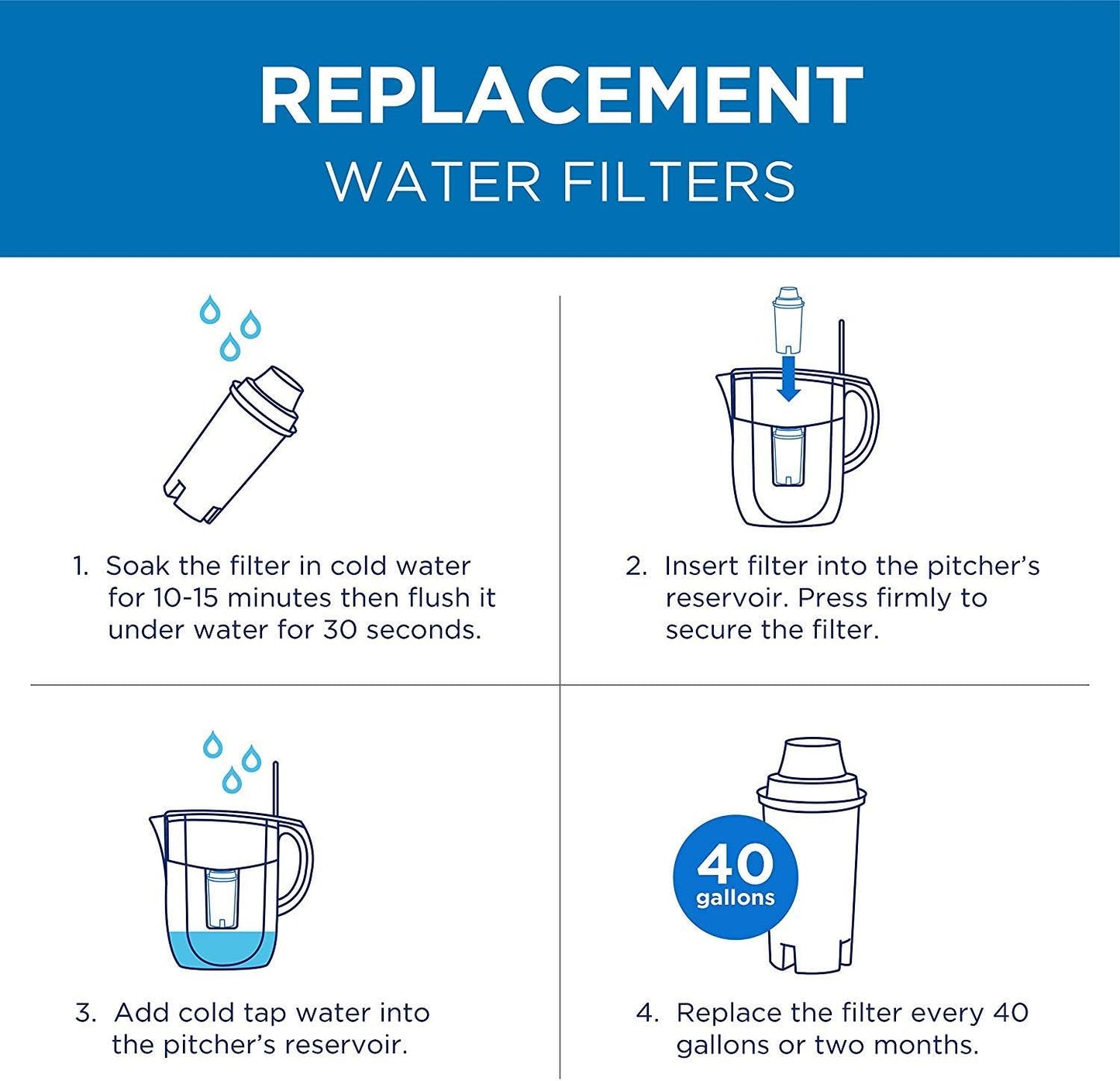
Protect Yourself and Your Family: Our Brita filter replacement with premium BPA-free, all natural gravity system helps reduce copper, mercury, zinc, cadmium and other hazardous contaminants. Delicious Clean Water: Using a Brita water filter helps reduce the taste and odor of chlorine so you can enjoy crisp, refreshing, crystal clear water for drinking, cooking, coffee or tea. Easy To Use: Simply soak your Commercial Cool water pitcher filter for 15 minutes, rinse for 30 seconds and then insert the filter into your pitcher's reservoir, it's that simple. Compatible with Popular Brita Pitcher: Our Brita filters work with most standard filtered water pitchers including Brita Classic, Atlantis, Bella, Soho, Space Saver, Chrome, Everyday, Grand and more. A Year Supply: Most households replace their filter every 2 months or 60 gal. meaning our 6 pack should last up to a year, saving you money and helping the environment by reducing plastic use.
terial Plastic Product Dimensions 9.5"D x 14.75"W x 8"H External Testing Certification NSF, WQA Product Benefits Reduces contaminants and chlorine for improved taste, saves money and helps the environment Brand Commercial Cool EU Spare Part Availability Duration 1 Years UPC 819813016883 819813017040 Global Trade Identification Number 00819813017040 Unit Count 6.0 Count Compatible Water Purifier Models BRITA Atlantis Water Pitcher, BRITA Chrome Water Filter Pitcher, BRITA Everyday Water Pitcher, BRITA Grand Water Pitcher, BRITA Marina Water Filtration Pitcher, BRITA Monterey Water Pitcher, BRITA Pacifica Water Pitcher, BRITA Soho Water Pitcher, BRITA Space Saver Water Pitcher, BRITA Ultramax Water Dispenser, BRITA Wave Water Pitcher Number of Items 6 Manufacturer Commercial Cool Item Weight 1.1 pounds Item model number CCWFB6 Is Discontinued By Manufacturer No Size 6 Count (Pack of 1) Color White Item Package Quantity 1 Number Of Pieces 6 Included Components Product Batteries Included? No Batteries Required? No
Frequently Asked Questions
Is this filter safer than drinking unfiltered tap water in an older home with old pipes?
In older homes, tap water can pick up trace metals like copper and cadmium from plumbing. This filter is independently tested to reduce those specific contaminants, which makes it a meaningful upgrade for households concerned about older plumbing infrastructure.
Does the filter housing contain any chemicals I should worry about leaching into my water?
No. The housing is BPA-free, and the filtration process is gravity-based with activated carbon and ion exchange. There are no chemical treatments or plasticizers involved in the filtration itself.
How do I know the NSF and WQA certifications are real and not just a logo on the box?
NSF and WQA certifications require independent laboratory testing, ongoing manufacturing audits, and public listing of certified products. You can search the model number on the NSF or WQA websites to confirm the certification is current and tied to this specific product.
What happens if I forget to change the filter and let it run past 60 gallons?
Once a filter passes its rated capacity, its contaminant reduction performance drops off. It will not become dangerous, but it will gradually stop removing chlorine and metals effectively. Setting a simple calendar reminder every two months is the easiest way to stay on schedule.
Is the filtered water safe for someone with a compromised immune system or during pregnancy?
NSF-certified pitcher filters are designed for general household use and reduce common contaminants like chlorine and trace metals. For specific medical concerns, including immune-compromised individuals or pregnancy, we recommend consulting a healthcare provider about the right level of filtration for your situation.
I have well water and I'm not sure if a pitcher filter is enough. Is this safe for well water use?
Pitcher filters are designed and tested for municipal tap water. Well water can contain a wider range of contaminants, including bacteria and nitrates, that a standard pitcher filter is not certified to address. For well water, a more comprehensive point-of-use or whole-house system is typically recommended.
How does this compare to boiling water for safety?
Boiling is effective at killing microorganisms but does not remove chlorine, lead, or other heavy metals. This filter is certified to reduce those chemical contaminants. Many households use both: filtration for everyday taste and chemical reduction, boiling when there is a specific boil-water advisory.
Is this safer than letting my kids drink from the bathroom tap or kitchen sink directly?
Yes. Running water through an NSF-certified filter reduces chlorine and trace metals before it is consumed. It is a low-effort way to add a layer of protection for children who are more sensitive to contaminant exposure than adults.
What if I'm not confident a $20 filter can really protect my family?
The low price reflects the simple gravity-based design and bulk packaging, not a compromise on filtration. The NSF and WQA certifications are based on the same testing standards applied to name-brand filters. Independent labs have verified the contaminant reduction claims regardless of price point.
Could the filter media itself release anything harmful into the water over time?
NSF certification includes testing for material safety, which confirms that the filter media does not leach harmful substances into the water at normal use temperatures. That is one of the reasons NSF certification matters: it covers both contaminant reduction and material safety.
Is the plastic housing safe to use long-term, or does it degrade?
The BPA-free housing is designed for repeated use over the life of the filter. As with any plastic product, replacing the filter on schedule and keeping the pitcher clean will keep the system performing safely. The plastic is not in prolonged contact with heat, which is the main driver of plastic degradation.
If I live in an area with PFAS in the water, will this filter help?
Standard NSF-certified pitcher filters are not specifically certified for PFAS reduction. For PFAS concerns, look for a filter that is independently tested and certified to NSF/ANSI 53 for PFOA and PFOS reduction. This filter is best suited for chlorine and heavy metal reduction.
I don't trust off-brand filters. Is there any reason to believe this is less safe than a name-brand Brita filter?
The filtration standards are the same. NSF and WQA certifications are awarded based on independent lab testing, and they apply to the product, not the brand. The lower price comes from packaging and marketing efficiency, not from cutting corners on filtration.
What's the worst that could happen if the filter sits unused for a few weeks between changes?
An idle filter can sometimes develop a slight musty taste from sitting in a damp reservoir, but it does not become hazardous. Running a few pitchers of water through it after a long idle period usually clears any stale taste.
How do I know I'm not trading one contamination risk for another by switching filters?
NSF certification includes a material safety component, which verifies the filter does not introduce new substances into the water. That is one of the key differences between a certified filter and an unverified generic cartridge.
I want to protect my family without overcomplicating things. Is this simple enough to use safely every day?
Yes. The 15-minute soak and rinse before first use is the only setup step. After that, you fill the pitcher and pour as usual. The lack of complexity is part of what makes pitcher filtration a safe, low-maintenance choice for daily use.
How do I install these filters before first use?
Soak each new filter in cold water for 15 minutes to activate the carbon, then rinse it under the tap for about 30 seconds. After that, drop the filter into the reservoir of your Brita pitcher and it is ready to use. The whole process takes about 20 minutes per filter and does not require any tools.
How often do I need to replace the filter?
Each filter is rated for up to 60 gallons of filtered water, which works out to roughly two months for a typical household. The 6-pack covers most families for about a year before needing to reorder.
Can I use the filter before the 15-minute soak is complete?
The 15-minute soak is recommended to activate the carbon media and remove any loose carbon dust. Using the filter before the soak is complete may result in cloudy water for the first few pours, but it will not harm the filter. A quick rinse helps clear any remaining dust after soaking.
Which Brita pitcher models is this filter compatible with?
This filter is designed to fit standard Brita pitchers, including the Classic, Atlantis, Bella, Soho, Space Saver, Chrome, Everyday, Grand, Marina, Monterey, Pacifica, Wave, and Ultramax models. It is not designed for Brita Stream, Brita Hub, or large 10-cup stream pitchers, which use a different filter type.
Will this filter work in a non-Brita pitcher or a different brand?
It will only work in pitchers that have a slot designed to fit a standard Brita-style filter cartridge. Some off-brand pitchers are made to the same specification, but most non-Brita pitchers use a different filter shape. Check the product page or your pitcher's documentation to confirm the filter type before ordering.
What is included in the box when I order the 6-pack?
The package contains six replacement water filter cartridges. The Brita pitcher itself is not included. You will need to have a compatible pitcher ready to use the filters.
What should I do if the filtered water looks cloudy or has black specks?
Cloudy water or small black specks are typically loose carbon dust and are most common with a brand-new filter. The 15-minute soak and 30-second rinse before first use removes most of this. If the cloudiness or specks continue after pouring several pitchers of water, contact the manufacturer for a replacement.
How should I store unused filters before installing them?
Store unused filters in their original sealed packaging in a cool, dry place. They do not require refrigeration and have a long shelf life when kept sealed. Once a filter has been soaked, it should be used within the rated 60-gallon capacity rather than stored for later use.
What is the difference between this filter and a standard Brita-branded filter?
Functionally, both filters use the same gravity-based activated carbon and ion-exchange technology and are certified to NSF and WQA standards for the same core contaminants. The differences are in branding, packaging, and price. This 6-pack is positioned as a value alternative to name-brand Brita replacements, with comparable filtration performance at a lower cost per filter.